Ten Books about Settler-Indigenous conflict worth reading
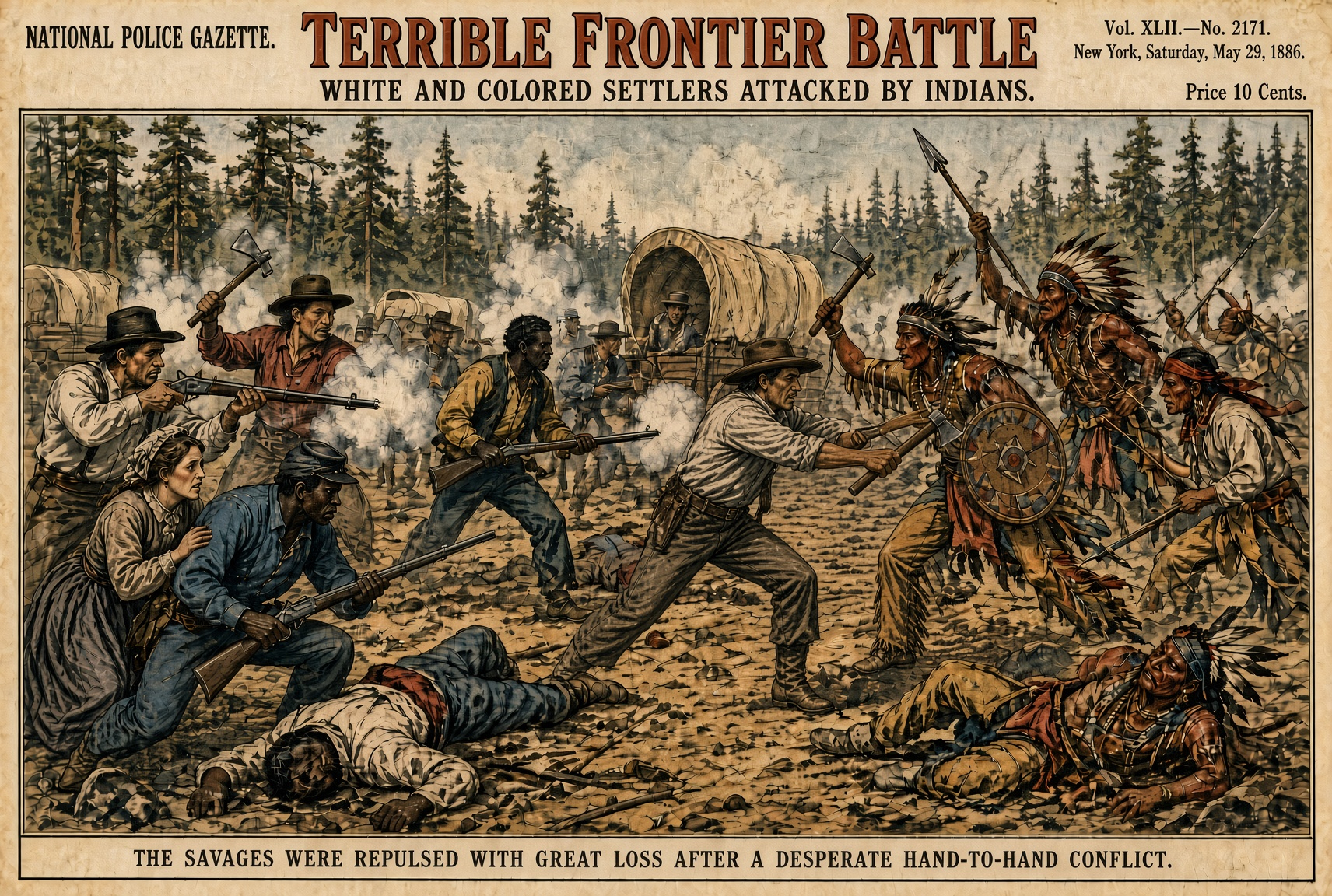
Some novels entertain. Others alter the emotional scale by which history is felt. The strongest books about Settler -Indigenous conflict do not offer the comfort of distance.
They place readers inside contested land, broken treaties, cultural survival, and the intimate moral failures that large national myths prefer to smooth over.
For readers of historical fiction and serious narrative history, this subject demands more than a generic frontier shelf. It asks for books that understand conflict not as scenery, but as the organizing pressure behind lives, families, and nations. The best works in this field resist simple heroics. They show ambition, fear, grief, extraction, religious certainty, bureaucratic violence, and endurance existing at once.
What follows is not a comprehensive canon. It is a carefully chosen list for readers who want literary force, historical weight, and a clearer sense of how settler expansion and Indigenous resistance have been represented across genres.
Why books about settler Indigenous conflict matter
There is no single story of settler colonialism in North America, and that is precisely why the reading must be selective and alert. Some books center military campaigns. Some are grounded in family rupture. Others expose the machinery of policy, missionization, land seizure, boarding schools, or extraction economies. A novel set in a single valley may reveal more than a broad survey if it captures the lived pressure of encroachment with enough precision.
This is also a field where perspective matters greatly. A book written from within an Indigenous worldview will not merely reverse an old frontier narrative. It often changes the underlying questions. Instead of asking how the West was won, it asks what was taken, what survived, and what forms of memory remained when official history declared the matter settled.
For that reason, a serious reading list should include both fiction and nonfiction, and it should include works by Indigenous writers alongside historians and novelists writing from other traditions. The trade-off is useful. Fiction can render emotional truth with unmatched immediacy. History can clarify structures, timelines, and consequences that fiction sometimes compresses.
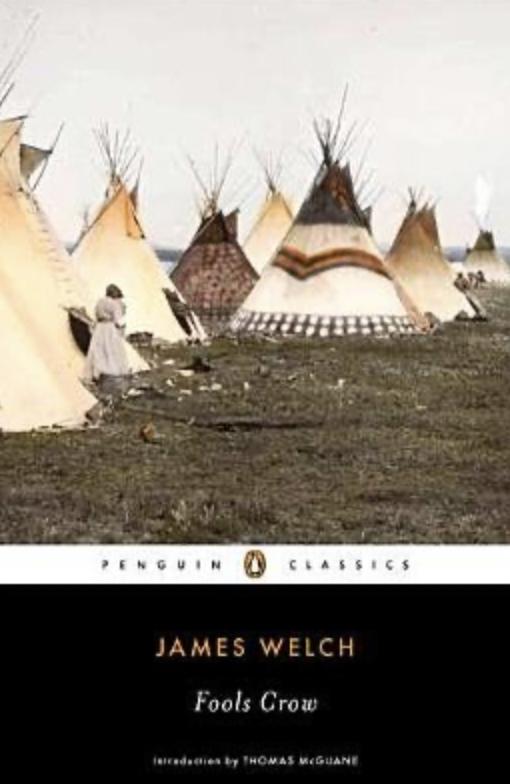
Few novels carry historical gravity as naturally as Fools Crow. Set among the Blackfeet in the years before intensified white encroachment and the devastation that followed, the book is both intimate and civilizational in scope. Welch writes with restraint, and that restraint gives the novel its power. The world feels whole before it is pressured, narrowed, and violated.
What makes the novel so enduring is that conflict is never reduced to battle alone. Spiritual life, kinship, weather, hunting, and obligation all remain present. The result is not simply a story about loss, but a story about a people living fully before the forces around them become impossible to ignore.
2. Bury My Heart at Wounded Knee by Dee Brown
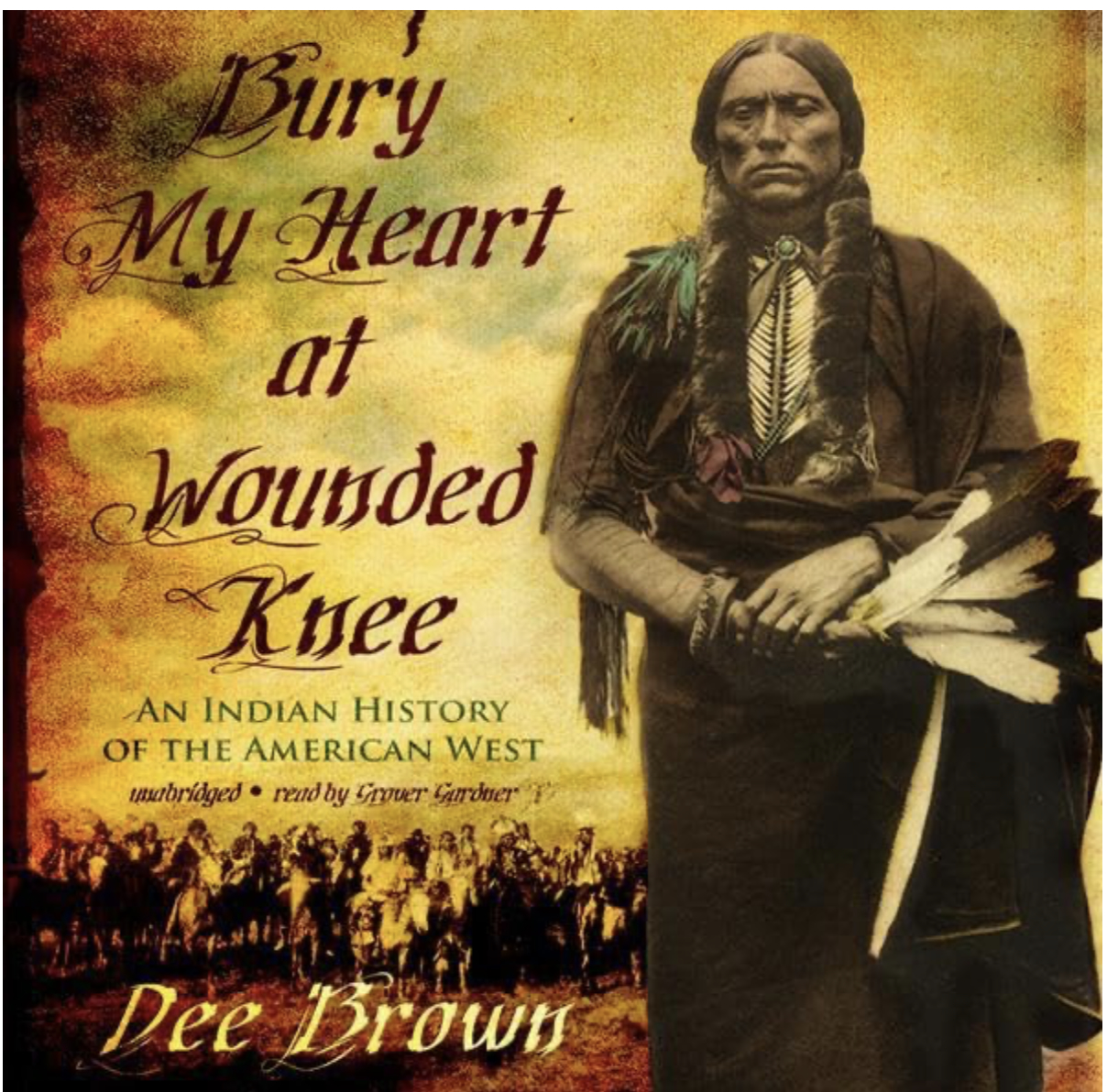
This book remains one of the most widely known entry points into the subject, and for good reason. Brown assembled a sweeping account of nineteenth-century dispossession from the perspective of Native nations confronting American expansion. For many readers, it was the first work to expose the brutality concealed beneath triumphalist frontier history.
It is worth reading with historical awareness. Some scholars have noted its limits, particularly in tone and framing. Even so, its moral force remains considerable. It helped shift the public conversation and still serves as a powerful reckoning with policy, massacre, and betrayal.
3. House Made of Dawn by N. Scott Momaday
Momaday’s novel is not a battlefield narrative, yet it belongs on this list because settler Indigenous conflict does not end when open warfare ends. Its aftershocks remain in dislocation, fractured identity, ceremonial disruption, and the psychological burden placed on Indigenous men returning from one form of violence to another.
This is a more literary and meditative reading experience than some readers expect. Its structure is not built for speed. But for readers willing to attend closely, it offers something essential – the long interior consequence of colonial pressure across generations.
4. Empire of the Summer Moon by S. C. Gwynne
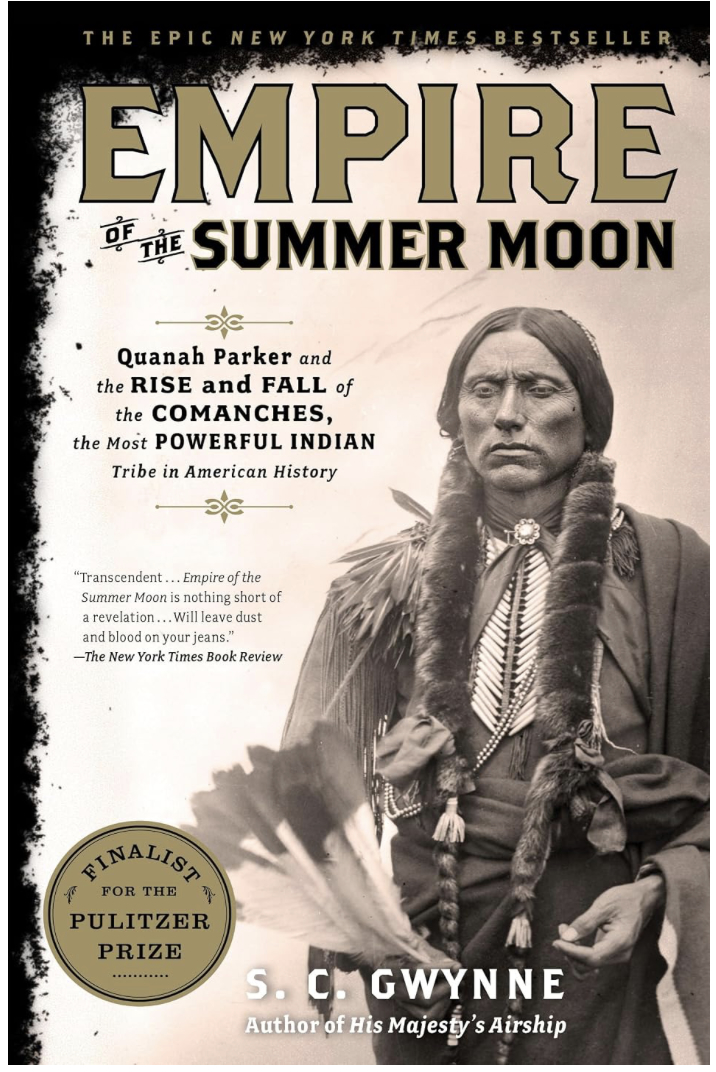
This history of the Comanches and the Texas frontier has reached a wide audience because it is vivid, muscular, and narratively propulsive. Gwynne is especially strong on the military and cultural realities that made the Comanches such formidable opponents to Spanish, Mexican, and American expansion.
Still, this is a book to read critically rather than passively. It is compelling, but not without interpretive debate. For some readers, its pace and dramatic force will make it a useful bridge into deeper reading. For others, it will need balancing with Indigenous-authored work to correct emphasis and frame.
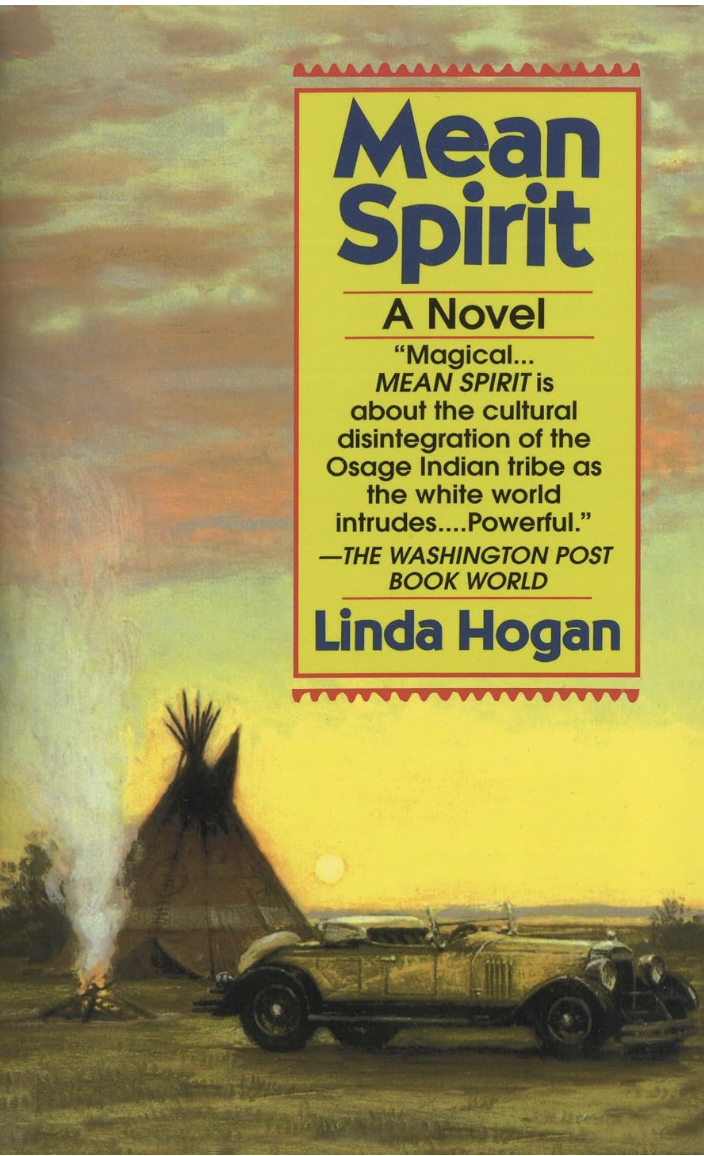
Hogan’s novel brings the violence of settler greed into the twentieth century through the Osage murders, where oil wealth and white criminal ambition converged with systemic contempt for Indigenous life. The book broadens the category in an important way. Conflict is not only cavalry and frontier fort. It is also legal manipulation, economic predation, and organized murder under the cover of civilization.
Hogan writes with lyrical intelligence, but never at the expense of historical brutality. The novel understands that spiritual violation and material theft often arrive together.
6. An Indigenous Peoples’ History of the United States by Roxanne Dunbar-Ortiz
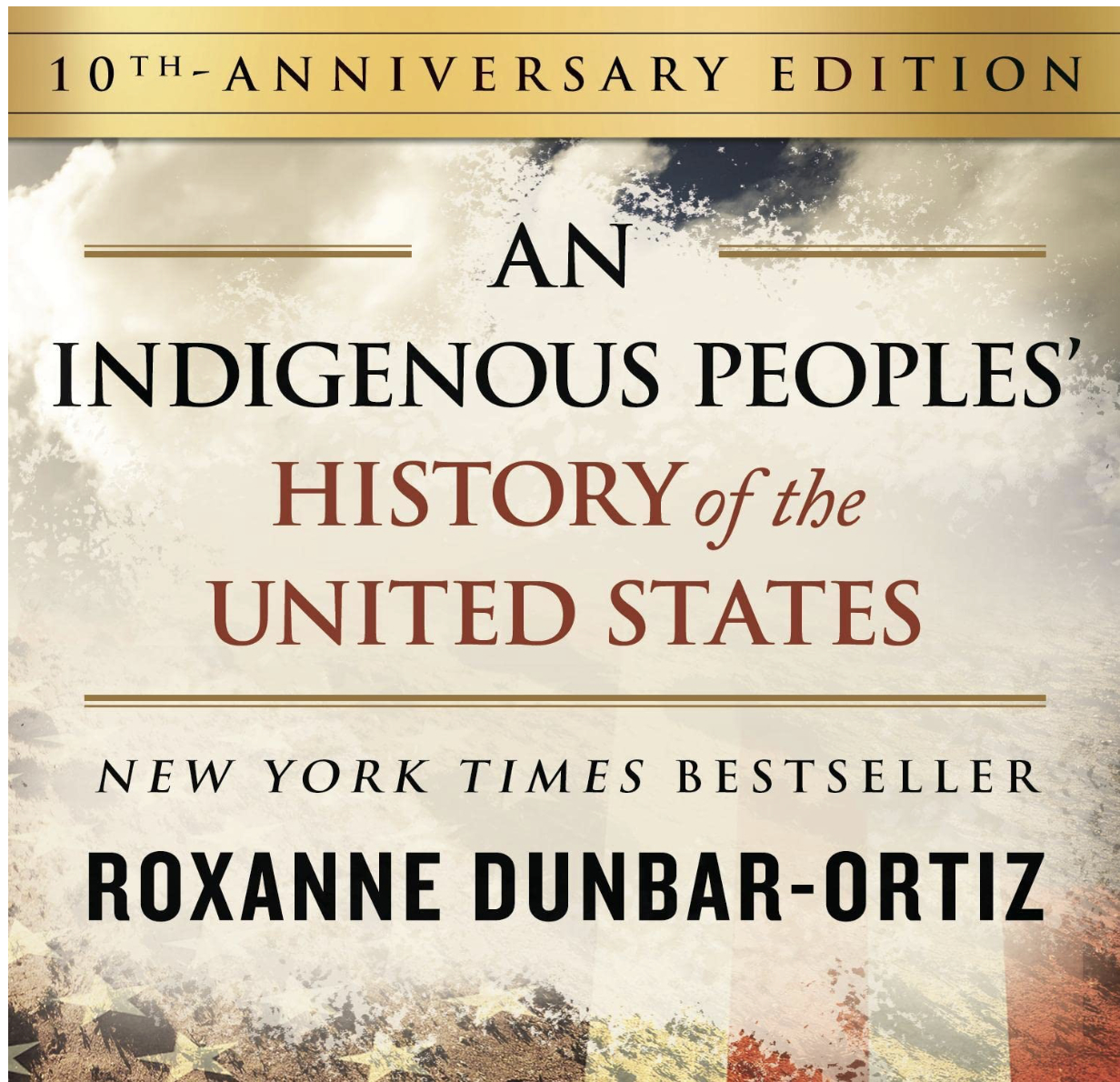
For readers who want a structural view rather than a single historical episode, this book is indispensable. Dunbar-Ortiz argues clearly that US history cannot be properly understood apart from settler colonialism as an organizing system. That gives the book conceptual force, especially for readers who have inherited older national narratives without fully examining their premises.
This is not a neutral survey, nor does it pretend to be. Its strength lies in its argument. Readers seeking interpretive clarity and a larger frame for books about settler Indigenous conflict will find it especially useful.
7. Ceremony by Leslie Marmon Silko
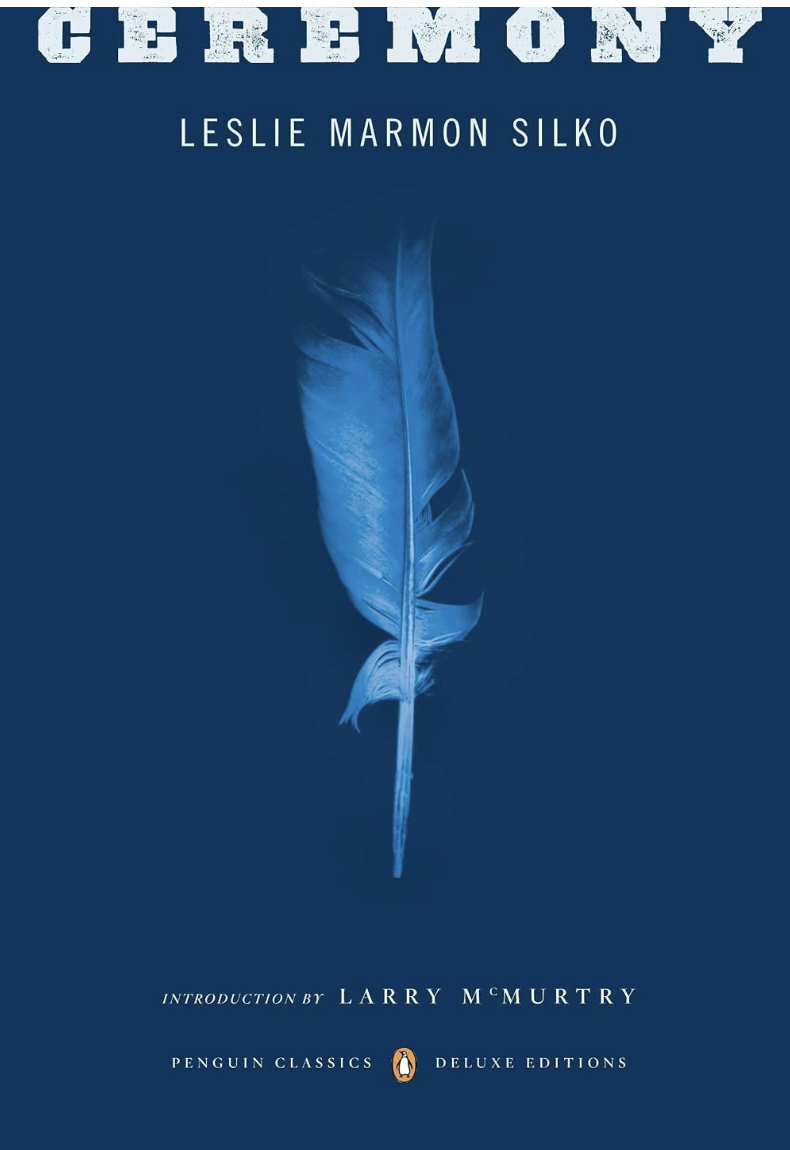
Ceremony is often read as a postwar novel, but its deeper concern is the damage produced by colonial rupture and the difficult, necessary labor of restoration. Silko does not separate personal healing from land, story, or communal memory. That makes the novel quietly radical. It refuses the settler habit of isolating crisis inside the individual.
This is a demanding book in the best sense. It asks the reader to let go of linear expectations and to accept that narrative itself may need to move differently if it is to tell the truth.
8. The Heartbeat of Wounded Knee by David Treuer
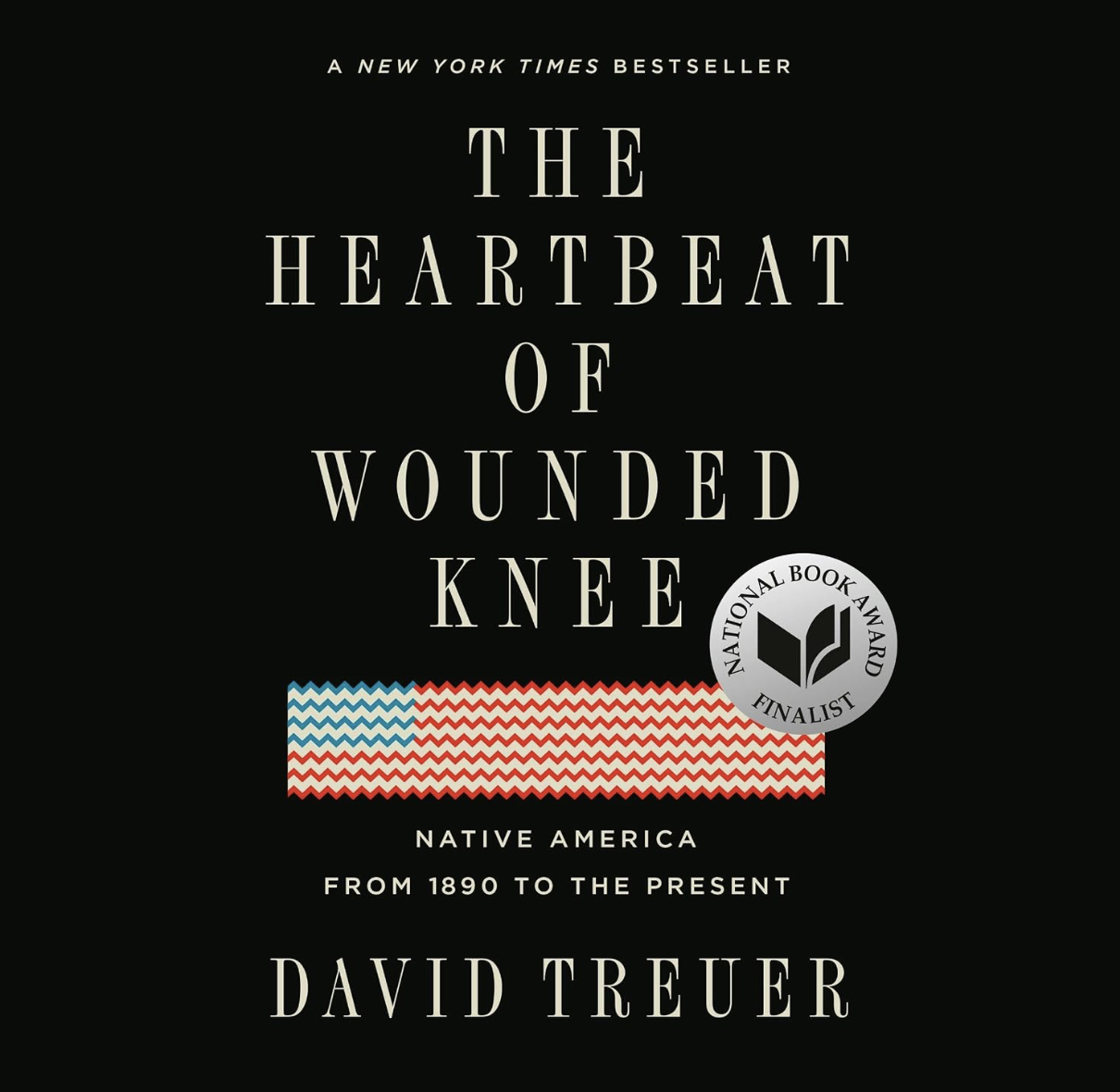
Treuer’s intervention is crucial because it challenges the old habit of ending Indigenous history with defeat. He does not deny catastrophe. He refuses finality. By tracing Native persistence into the modern era, he shows how survival, adaptation, governance, art, and political struggle continued long after the closing scenes favored by conventional textbooks.
For readers who have only encountered Indigenous history as elegy, this book is corrective in the best way. It restores motion, agency, and continuity.
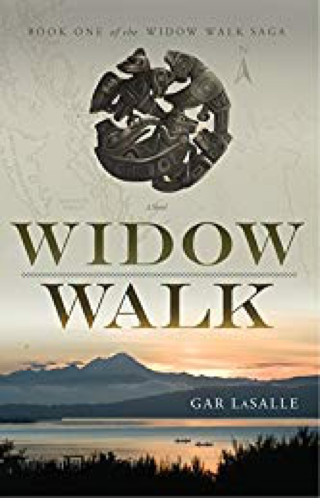
LaSalle’s first novel in his soon-to-be five book saga begins in the Pacific Northwest, an atypical setting for stories about pioneer-Indigenous conflict, primarily because the history is far less known than that of other parts of the expanding United States. Based on a true story, the pioneers and the settlers have one important thing in common… fear of a notorious predatory headhunting/slaver clan, historically known only as “The Northerners” whose predations are reminiscent of European Vikings.
What makes this first book particularly compelling is the detail with which LaSalle masters the interiority of the heroes, heroines, foils and the native and non-native villains, skillfully blending his characters’ personal stories, plausible motivations and well researched historical events into a page-turning thriller. That seems to be his true talent and style, as evidenced by the sequels to this novel.
10. Blood Meridian by Cormac McCarthy
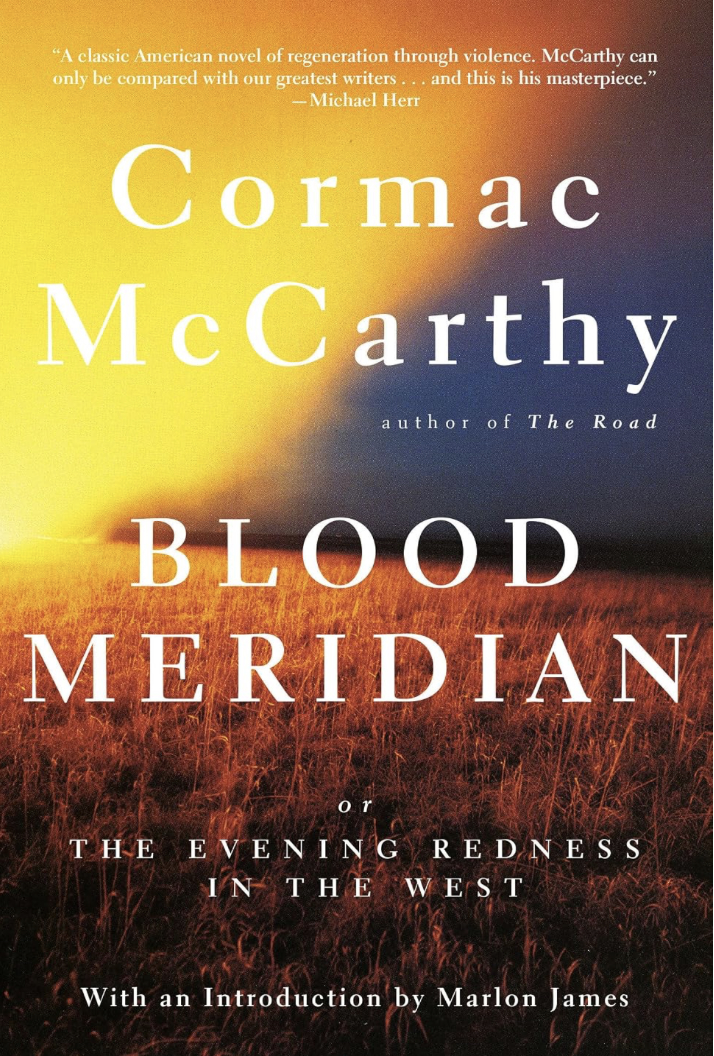
This is the most difficult recommendation here, and perhaps the most contested. McCarthy’s novel is not an Indigenous-centered account, and readers seeking moral clarity will not find comfort in it. Yet as a vision of borderland violence, scalp-hunting, and imperial appetite, it remains unforgettable.
Why include it? Because some books expose the metaphysics of conquest even when they do not ethically resolve them. Blood Meridian should not be read as a stand-alone education in Indigenous history. It should be read as a brutal literary artifact of expansionist violence, best set beside works that restore Native perspective and historical specificity.
How to read this subject with more care
A list like this is only as useful as the reading practice behind it. If every book comes from the same narrative angle, the reader leaves with a polished bias rather than a deeper understanding. It helps to read across forms and positions – one novel, one history, one Indigenous memoir or essay collection, one work rooted in a specific nation or region.
It also helps to resist the appetite for innocence. Many readers approach this subject looking for villains pure enough to condemn and victims pure enough to mourn. History is rarely so tidy. Settler systems are built through policy, commerce, religion, law, and ordinary self-justification. Literature at its best shows how that machinery enters daily life and becomes thinkable to those who benefit from it.
Where to begin
If you want a novel first, begin with Fools Crow. If you want historical framework, begin with An Indigenous Peoples’ History of the United States or Bury My Heart at Wounded Knee, then move quickly to more contemporary Indigenous voices.
For readers drawn to historically rigorous storytelling, including the kind of work championed by writers like Gar LaSalle, this is where the subject becomes artistically serious. The question is not whether conflict occurred. The question is how a writer renders contested ground without flattening the human beings on either side of it.
The best reading in this field does not leave you with the feeling of having consumed a topic. It leaves you less certain of inherited myths and more alert to the cost of them. That is a worthwhile condition for any serious reader, and an honorable place from which to keep going.
Scott James is an independent journalist residing in Austin, Texas